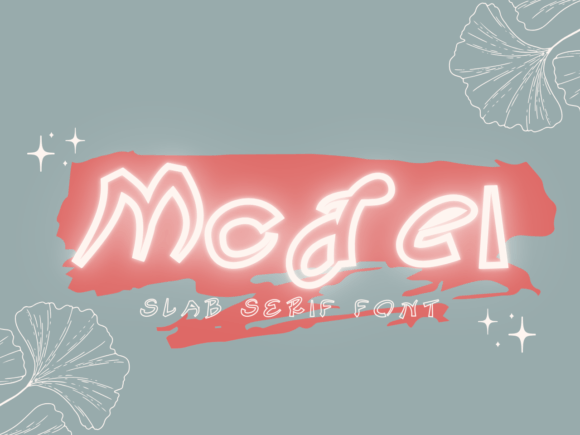
Model: A Unique Slab Serif Font with Angular Play
In the world of typography, finding a font that stands out can be challenging. Most fonts blend into the background, but others make an impression—like Model, a slab serif font known for its angular play and distinctive character. Designed to bring attention and personality to any text-based project, Model is more than just another typeface; it's a tool that helps creators express their unique style through thoughtful design.
What Makes Model Different?
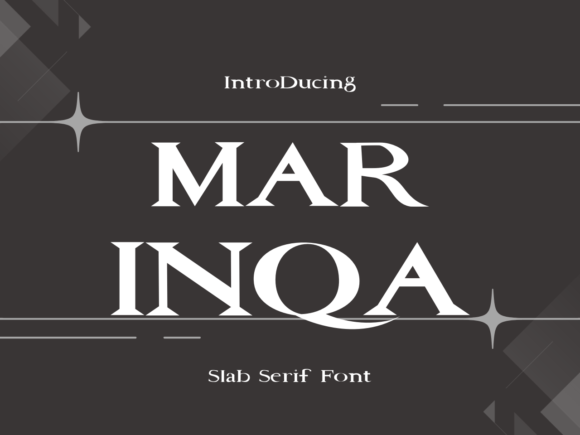
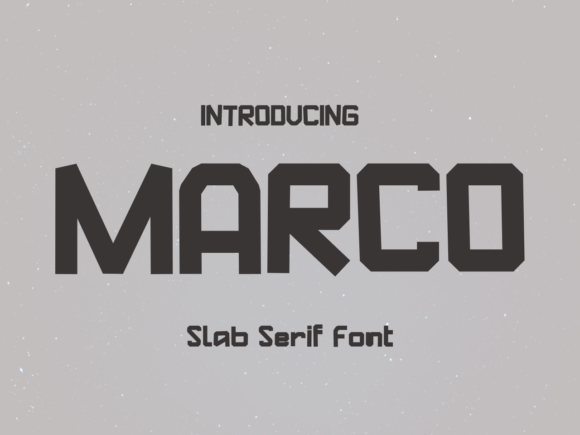
Slab serif fonts are typically defined by their thick, block-like serifs and bold, stable appearance. While many in this category lean toward traditional or formal aesthetics, Model breaks the mold with its angular flair. The contrast between sharp edges and rounded forms gives it a modern twist while maintaining the classic readability of slab serifs. This balance makes it versatile enough to fit into both contemporary and timeless designs.
Key Features of Model
- Angular Play: Model’s standout feature is its use of angular elements within a traditionally structured slab serif framework. This creates visual interest without compromising legibility.
- High Contrast: The difference between thick and thin strokes adds depth and character to each letterform, making the font visually striking even at smaller sizes.
- Unique Identity: With carefully crafted glyphs and a distinct rhythm, Model offers a strong typographic identity that sets it apart from generic sans-serif or monospace fonts.
- Customizable Styling: Whether you're looking for a subtle touch or something bolder, Model allows for flexibility in how it's applied across different mediums.
Where Can You Use Model?
The versatility of Model makes it suitable for a wide range of applications. It's especially effective in projects where typography plays a central role in storytelling or branding. Here are some common uses where Model shines:
Greeting Cards and Invitations
When designing greeting cards, whether for birthdays, holidays, or special events, the right font can elevate the entire experience. Model brings a sense of elegance and creativity to such designs. Its angular features add a dynamic edge, making your messages feel more personal and artistic. For example, using Model on a thank-you card can convey warmth with a stylish twist.
Wedding Cards and Stationery
Weddings are all about details, and stationery is one of the first things guests see. Model can be used effectively in wedding invitations, save-the-dates, place cards, and programs. The font’s structure provides clarity for names and dates, while its angular play introduces a fresh, modern element that complements minimalist or bold design styles alike.
Logos and Branding Materials
For small businesses or creative professionals building a brand, choosing the right font is essential. Model can serve as a memorable choice for logo design due to its unique shape and strong presence. When paired with the right color palette and layout, it can help establish a brand’s identity quickly and effectively.
Web Design and UI Elements
While Model may not be ideal for long paragraphs of body text, it works well in headers, call-to-action buttons, and other UI components where emphasis and visual appeal matter. Web designers often look for fonts that can capture attention without overwhelming the user. Model strikes that balance, especially when used sparingly to highlight key content areas.
Print Media and Packaging
From magazine covers to product packaging, Model can enhance visual communication. Its angular characteristics make it ideal for short, impactful phrases that need to stand out. For instance, a boutique might use Model on their product labels to give them a premium and modern look.
Who Benefits from Using Model?
Model isn’t just for designers or typographers—it appeals to anyone who wants their work to reflect individuality and innovation. Here’s a closer look at who might find it particularly useful:
- Creative Professionals: Graphic designers, illustrators, and typographers can leverage Model to add a signature style to their projects.
- Business Owners: Entrepreneurs looking to create a strong brand image can benefit from Model’s ability to communicate professionalism with a creative edge.
- Event Planners: From weddings to corporate events, planners often need fonts that align with specific themes. Model’s adaptability makes it a great candidate for event-specific designs.
- Content Creators: Bloggers, YouTubers, and social media managers can use Model in headlines or titles to grab attention and differentiate their content visually.
- Marketing Teams: Advertisements, posters, and promotional materials often rely on typography to drive engagement. Model can help create a lasting impression with its unique look.
Strengths of Model
One of the biggest strengths of Model is its ability to combine formality with fun. It maintains the readability of a slab serif while introducing playful angles that make it more engaging. Additionally, because it doesn’t fall into overused categories like script or decorative fonts, it avoids clichés and offers a more original typographic solution.
Another strength lies in its scalability. Model performs well in both large display settings and medium-sized print. The font’s weight distribution ensures that it remains legible even when stylized or manipulated for creative effects.
Considerations and Limitations
Despite its strengths, there are a few things to consider before using Model:
- Legibility in Long Texts: Because of its angular and stylistic nature, Model may not be the best choice for extended reading material. Always pair it with a complementary font for body text.
- Design Context: The font’s boldness suits certain themes better than others. In minimalist or ultra-modern designs, it could clash if not used thoughtfully.
- Language Support: Ensure that the version of Model you’re using supports the languages or characters needed for your project.
Understanding these limitations helps in making informed decisions about where and how to apply the font effectively.
Real-World Applications and Scenarios
To illustrate how Model can be put to practical use, let’s explore a few real-world scenarios:
Case Study 1: Wedding Invitation Suite
A couple wanted their wedding invitations to reflect their shared love for architecture and modern art. They chose Model for the main title and key headings due to its clean lines and angular elements. Paired with a soft serif for supporting text, the result was a cohesive yet eye-catching design that stood out among other invites.
Case Study 2: Boutique Branding
A local skincare boutique rebranded using Model as the primary font for their logo and packaging. The font helped them achieve a balance between sophistication and approachability, aligning perfectly with their brand values. Customers noted the uniqueness of the packaging and found it easy to read and aesthetically pleasing.
Case Study 3: Digital Marketing Campaign
A digital marketing agency created a campaign for a tech startup using Model in headlines and subheadings. The font added a sense of authority and innovation to the campaign’s visuals. As a result, the client received positive feedback from their audience, with many noting the campaign felt fresh and professional.
Evaluating Model for Your Project
If you’re considering using Model in your next design project, here are some steps to evaluate its suitability:
- Define Your Audience: Consider who will see the design. If they appreciate modern and bold aesthetics, Model could be a good match.
- Assess the Medium: Determine whether the project is digital or print. Model is excellent for headlines, logos, and short texts but may require pairing for longer content.
- Test It Out: Apply Model to sample layouts and see how it looks in context. Observe its readability and overall impact.
- Check Compatibility: Make sure the font works well with your existing design elements, including colors, images, and other typography choices.
- Seek Feedback: Get input from peers or potential users. Their perspectives can help you decide if Model enhances or detracts from the message.
Pairing Model with Other Fonts
To avoid overwhelming the reader, it’s important to pair Model with fonts that offer a contrast in style and weight. Common pairings include:
- Serif Fonts: Clean, minimal serif fonts can complement Model’s angularity with a softer tone.
- Sans-Serif Fonts: Modern sans-serif options provide a neutral backdrop that lets Model take center stage.
- Monospace Fonts: In digital interfaces, pairing Model with a monospace font can create a balanced and functional hierarchy.
Why Choose Model Over Generic Fonts?
Generic fonts are safe choices—they work, they’re readable, and they won’t draw negative attention. But they also won’t make your work memorable. Model, on the other hand, offers a unique typographic voice that can set your designs apart. It’s not just about looking good; it’s about communicating a message with intention and style.
Choosing Model means embracing the idea that typography is not just a background element but a core part of your design. Whether you’re creating a simple greeting card or a complex brand identity, the right font can influence perception and engagement. And with Model, you have the opportunity to do both.
Final Thoughts
Typography is a powerful tool in visual communication. Model, with its angular play and strong identity, offers a refreshing alternative to standard typefaces. It’s a font that invites experimentation and encourages designers to think beyond the ordinary. By understanding its strengths, limitations, and appropriate applications, you can harness its potential to create compelling, memorable designs.
Next time you're working on a project where typography needs to speak louder, consider giving Model a try. It might just be the unexpected detail that makes your work shine.