Malia Font: A Versatile Slab Serif for Creative and Practical Design
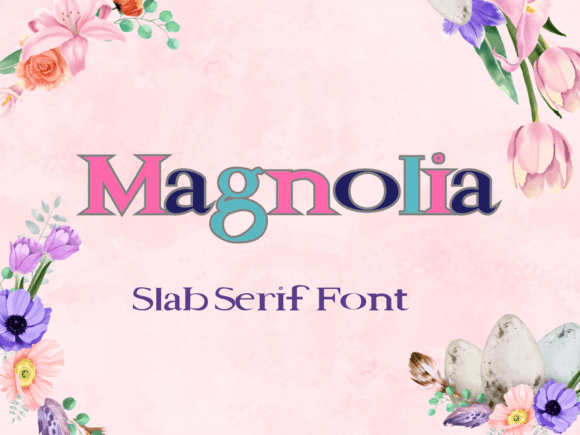
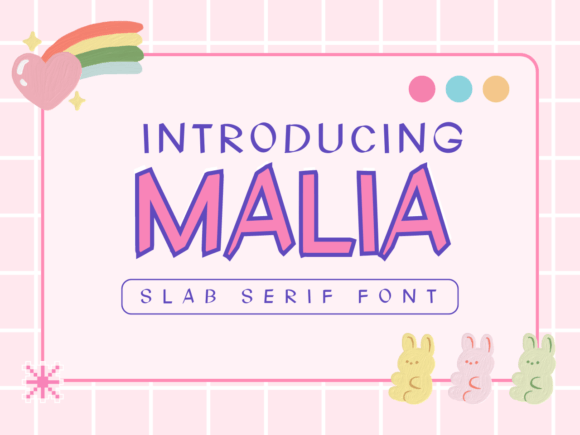
When it comes to typography, finding the right font can make all the difference. Malia is a sweet and friendly slab serif font that brings warmth and character to any design project. Its natural style and approachable feel make it a go-to choice for those who want to add personality without overpowering their message. Whether you're designing a logo, creating marketing materials, or building a website, Malia offers a unique blend of charm and professionalism.
What Makes Malia Stand Out?
Slab serif fonts are known for their bold, block-like serifs — the small lines at the ends of characters. These details give them a classic yet modern appeal. Malia takes this concept and infuses it with a softness that makes it stand out from its more rigid counterparts. It’s not just about looking good; it's about feeling inviting. This subtle balance is what makes Malia suitable for such a wide range of applications.
Real-World Applications of Malia
- Branding and Logos: Many businesses choose slab serif fonts for their logos because they convey trust and reliability. With Malia, you get that same sense of dependability but with a touch of playfulness. It works especially well for lifestyle brands, cafes, or wellness services where a warm and welcoming vibe is essential.
- Wedding Invitations and Stationery: The gentle curves and balanced structure of Malia make it ideal for elegant yet approachable wedding designs. It adds a personal touch while maintaining readability, which is crucial when guests need to find important details like time and venue.
- Book Covers and Titles: For book designers, especially in genres like fiction, memoirs, or self-help, Malia provides an excellent option for titles. It commands attention without being too loud, helping to set the tone for the story within.
- Website Typography: Web designers often use Malia as a headline or accent font. It pairs beautifully with sans-serif body fonts, adding contrast and visual interest. Just be sure to consider legibility on smaller screens when using it in larger sections of text.
- Packaging and Product Labels: In retail and product design, first impressions matter. Malia helps create a memorable look that feels both premium and personable. Think artisanal products, handmade crafts, or eco-friendly items that benefit from a distinctive yet readable typeface.
Who Can Benefit Most from Using Malia?
The beauty of Malia lies in its adaptability. It’s not restricted to one industry or audience. Here are some user groups that might particularly enjoy working with it:
Small Business Owners
If you run a boutique, coffee shop, or local store, Malia can help you establish a brand identity that feels authentic and engaging. It’s perfect for storefront signs, social media posts, and packaging. The font doesn’t shout, but it does speak clearly — something your customers will appreciate.
Creative Professionals
Graphic designers, illustrators, and typographers love Malia for its versatility. It can be used in editorial design, poster art, or even in app interfaces where a bit of personality is needed. The font’s friendliness helps create a connection between the design and the viewer, making it especially useful in projects focused on storytelling or emotional impact.
Event Planners and Wedding Coordinators
For event-based design, such as invitations, signage, and programs, Malia adds a touch of sophistication without feeling formal. It strikes the right chord for events that aim to be memorable and heartfelt. Clients often look for fonts that reflect the mood of the event, and Malia delivers just that with minimal effort.
Content Creators and Bloggers
Bloggers and YouTubers who focus on lifestyle, food, or travel content may find Malia to be a great fit for headers and banners. It complements photography-driven layouts and gives a sense of curation and care. When paired with a clean sans-serif body font, it ensures the content remains easy to digest while the visuals pop.
How to Use Malia Effectively
While Malia is versatile, it’s still important to think through how best to apply it. Here are a few tips to ensure you’re getting the most out of this font:
- Pair it wisely: Slab serifs like Malia work best when balanced with contrasting fonts. Try pairing it with a modern sans-serif for digital projects or a delicate script for print. The key is to maintain harmony without overwhelming the reader.
- Use it sparingly: Because of its distinct character, Malia should generally be reserved for headlines, titles, or accents. Using it throughout large blocks of text can reduce readability, especially in longer formats like books or articles.
- Consider the context: If you're aiming for a serious or corporate look, Malia may not be the best choice. However, if your goal is to connect emotionally or create a cozy atmosphere, it could be exactly what you need.
- Test it on different mediums: Before finalizing your design, check how Malia looks across various platforms and sizes. Does it hold up on mobile? How does it render in print versus on screen? These considerations can save time and improve the overall experience for your audience.
Strengths and Limitations of Malia
Every font has its strengths and limitations, and understanding these can help you decide if Malia is right for your next project.
Strengths
- Approachable and Friendly: The round edges and open letterforms make Malia feel inviting, encouraging users to engage with the content.
- High Visual Impact: Its bold presence ensures that headings and titles catch the eye, which is beneficial for both print and digital design.
- Design Flexibility: From minimalist layouts to richly detailed ones, Malia adapts well and maintains its aesthetic integrity.
- Readability in Key Areas: Though not ideal for long paragraphs, Malia is highly readable in short bursts — perfect for call-to-action buttons, captions, and subheadings.
Limitations
- Not Ideal for Long Text: As mentioned earlier, Malia isn't built for extended reading. Its serifs and spacing can become distracting in lengthy passages.
- Limited Character Set: Depending on the version you choose, Malia may lack certain glyphs or special characters needed for multilingual content or advanced typesetting.
- May Clash with Some Styles: While it’s very adaptable, there are times when Malia might not mesh well with overly intricate graphics or other bold fonts. Always test combinations before going live.
Practical Examples of Malia in Action
To better understand how Malia can enhance your work, here are a few real-world examples:
- A bakery uses Malia for their storefront sign and menu board. The font gives the space a homey, artisanal feel that aligns with their brand values.
- An independent author selects Malia for the title of their novel. The font feels both classic and contemporary, appealing to a broad readership.
- A yoga studio incorporates Malia into their promotional flyers and website. The font supports the calm, welcoming energy of the brand and encourages potential clients to take action.
- A children's toy company uses Malia for their packaging and online ads. The font's sweetness and clarity resonate with parents and kids alike.
Choosing the Right Version of Malia
There are typically several versions or weights of Malia available, including regular, bold, and italic. Each serves a slightly different purpose:
- Regular Weight: Great for general use, such as headings or logos. It maintains a balanced appearance and is highly legible in most contexts.
- Bold Weight: Offers more visual punch. Ideal for posters, billboards, or any place where you want to make a strong statement.
- Italic Style: Adds flair and movement to your design. Best used for quotes, pull-outs, or decorative elements rather than main text.
Some designers also prefer to mix Malia with similar fonts in the same family for added depth. Others opt for a single-weight strategy to keep things simple and consistent. It really depends on the specific needs of your project.
Where to Get Malia
Before you start using Malia, you’ll need to source it legally. You can usually find it on popular font marketplaces like Adobe Fonts, Google Fonts, or creative platforms like Creative Market and MyFonts. Always read the licensing terms to ensure you have the right to use it in your intended format — whether that’s web, print, or commercial.
Final Thoughts on Typographic Choices
Typography is more than just choosing a pretty font. It's about communication, aesthetics, and functionality. Malia is a thoughtful choice for anyone looking to inject warmth into their design while maintaining a professional edge. It's the kind of font that feels intentional — like it was crafted with the user in mind.
So, the next time you're brainstorming a new project and considering fonts, let your imagination run with Malia. It might just be the missing piece your design has been waiting for.